
Yoga Philosophy Club
with Daniel SimpsonA monthly online gathering for teachers and practitioners to reflect together on how ancient yogic wisdom speaks to modern lives.
Overview
A supportive space to explore yogic wisdom
Yoga philosophy offers an invaluable framework for living with greater clarity, connection and wisdom. This monthly online gathering is a supportive space to explore yogic insights in dialogue — a place for teachers and practitioners of yoga to reflect together on how ancient wisdom can support modern lives.
Sessions are facilitated by Daniel Simpson, whose blend of scholarly knowledge and light-hearted humour makes timeless teachings accessible and relevant. Each session is structured around a core theme, introduced by a presentation providing context, followed by reflection, questions and lively open discussion.
Yoga philosophy offers a framework for living with greater clarity, connection and wisdom Daniel Simpson
Who is this course for?


Next Sessions · 7–9pm
Good to know
- Attend any session as a standalone, or build a pathway through the year.
- Five sessions over 12 months = discounted rate + a certificate of attendance.
- Hours count towards 300-hour certification or CPD hours.
- Take the 5-session pass for five discounted sessions (valid 12 months), or book sessions individually at £30 each.
- Sessions are recorded — catch up on demand for up to four weeks after.
- Select bank transfer (BACS) at checkout — it helps us keep course fees down by lowering card processing charges.
- 300-hour students: 10% discount if you've booked 3 trainings (£395+) including one core module. Email us for the discount code.
Book 5-Session Pass See All Topics Register Interest Only →
What you'll take away
A grounded, accessible understanding of yoga philosophy — ancient to modern — and how it connects to lived experience
Confidence to bring philosophical ideas into your own practice or teaching, without jargon or dogma
A community of curious practitioners reflecting together on how yogic wisdom applies to modern life
Yoga Alliance CPD hours that count towards 300-hour certification, plus a certificate of attendance on completion of 5 sessions
What Our Students Say
What participants say
"Daniel weaves effortlessly through the history of yoga, making philosophy feel alive and relevant. His clarity, honesty and humour create a space where genuine enquiry can happen."
M.G. · Long-time Participant"It's amazing how clear and grounded Daniel makes these ideas — his teaching carries real depth, and you leave with something to chew on for weeks."
Dr. L.G."Accessible, capable and generous. Daniel's sessions always strike the right balance between rigour and warmth, and I come away feeling both stretched and met."
E.C."Clarity, honesty and humour — a rare combination. Daniel holds space for genuine reflection and never lectures, which is why I keep coming back."
S.M."The sessions have deepened my practice in ways I didn't expect. Philosophy has stopped feeling like a separate subject and started feeling like the thread running through everything."
K.B."A genuine teacher — curious, rigorous, and warm. Daniel treats us as fellow enquirers rather than students, and that shift changes the whole quality of the room."
J.J.Your Teacher
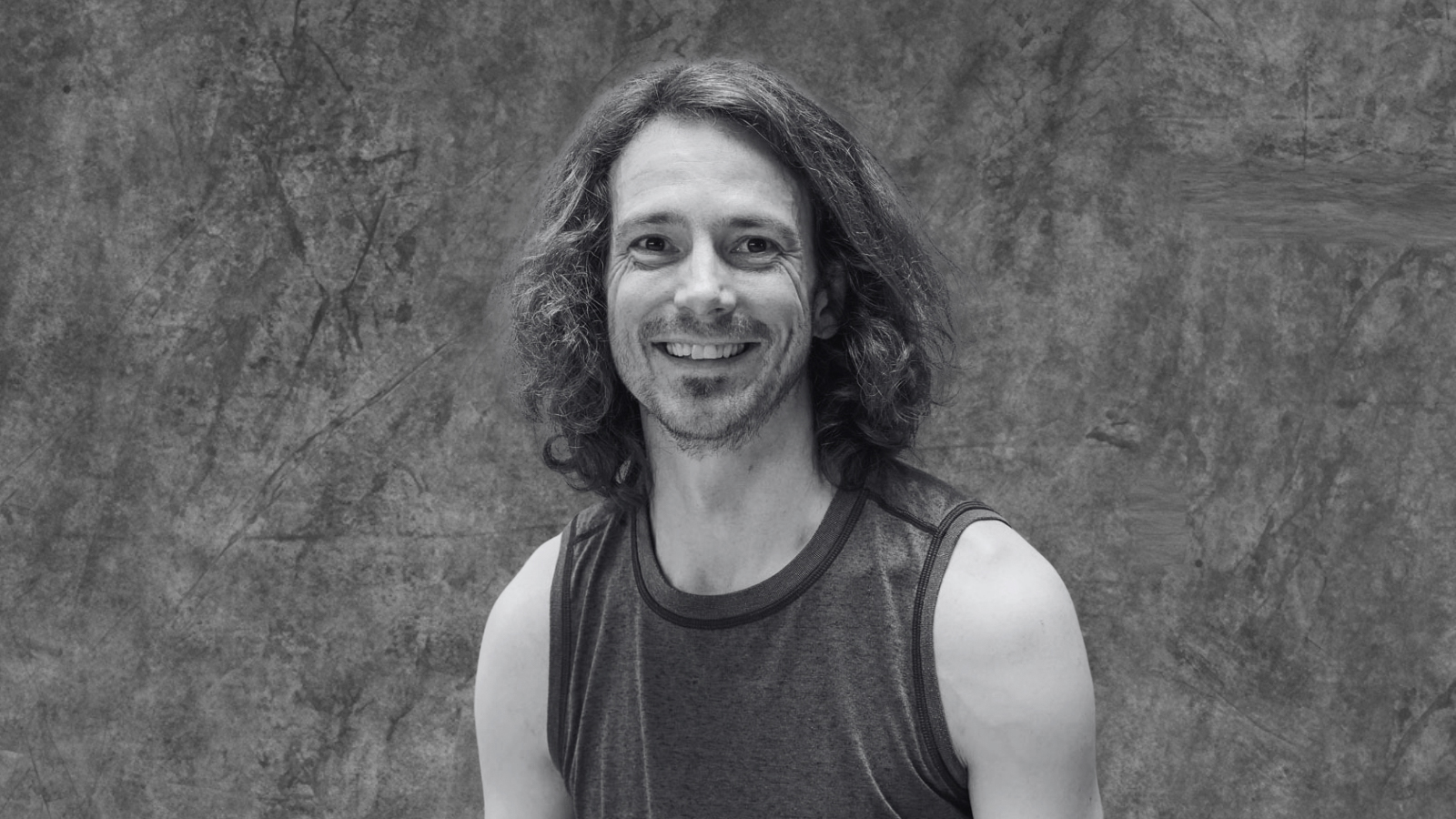
Your teacher Daniel Simpson
Author of The Truth of Yoga, Daniel Simpson brings together scholarly rigour and a foreign correspondent's instinct for a good story. With more than three decades of practice and an MA in Traditions of Yoga and Meditation from SOAS, he teaches the philosophy strand of the Shala's 300-hour Yoga Teacher Training, hosts the Ancient Futures podcast, and contributes to courses at the Oxford Centre for Hindu Studies. His approach makes a vast tradition feel approachable, alive and genuinely useful.
Topics
Eight threads of enquiry
Each session stands alone — book individually at £30, or take the 5-session pass and let the themes build on each other. Sessions run roughly monthly; dates below are confirmed as they approach.
Cultivating Compassion
Concern for other people's well-being is an important dimension of yogic traditions. We compare what they say to our own priorities.
- What does it mean to act compassionately? Which other tendencies might this offset?
- Does compassion involve feeling other people's pain? If so, why? If not, why not?
- How would you define the meaning of compassion? Are other words synonymous?
- Which practices help to develop compassionate action? How might they work?
Ethical Dilemmas
Yoga texts highlight ethics but say little about worldly life. We reflect on values that help us navigate everyday challenges.
- How do we define right action? How much does it depend on context?
- Are Patañjali’s yamas and niyamas the most helpful list of guidelines?
- Might we have different priorities? If so, are other qualities relevant?
- Do yogic practices lead to good conduct automatically? If not, why not?
Healing from Suffering
Alleviating suffering is a common yogic goal. We discuss how that works, and whether suffering is also a teacher to listen to.
- What makes us suffer and how do yogic teachings help us respond?
- To what extent do people’s reactions make things worse?
- Is some degree of suffering inevitable? If so, why?
- How much of it might be collective as opposed to individual?
- Which mental tendencies are unhelpful? How can we counter them?
Living with Purpose
What we inherit and how we act shapes who we become. We contemplate how to find meaning in this process.
- How do we define dharma and karma in contemporary terms?
- What gives us purpose? How free are we to make our own choices?
- How much of life is shaped by factors beyond our control?
- What distinguishes things we can change from those we can’t?
- Does it help to prioritise values instead of objectives?
Practice, Power & Politics
How political is yoga? What we do “off the mat” is another form of practice. We investigate how yoga philosophy shapes social priorities.
- Should politics and yoga be separate, or is everything political?
- Do yogic ideas have political corollaries? If so, what does yoga stand for?
- To what extent do yogic powers have worldly applications?
- Might there be yogic ways to handle disagreement?
- Which values seem important to prioritise?
The Function of Faith
How religious is yoga? Much depends on priorities. Some texts promote deities, while others say the main thing to believe in is practice.
- How would you distinguish faith, belief, trust and confidence? Do they overlap?
- In what do you have faith? Does the nature of faith vary depending on its object?
- To what extent is devotion part of yogic traditions? Might it also be optional?
- Can the divine be defined without gods? How about devotion and grace?
Appropriation & Authenticity
Debates about appropriation have raised important questions about authenticity. We identify ways to respond with integrity.
- Do practices have to be old to be authentic?
- Who defines what is traditional and on what basis?
- Which criteria help us decide what is and isn’t yogic?
- Has there ever been any such thing as “one true yoga”?
- What keeps new methods anchored in earlier ideas?



Interested in this course?
Not ready to book yet — or want to hear about future dates? Register your interest and we'll be in touch with everything you need to know, including when new dates are announced.
No commitment required · No spam, ever · Priority notification of new dates